I have always been a bleeding heart when it comes to animal welfare. I cannot remember a single moment of my childhood where I wasn’t over-consuming nonfiction about animals, watching nature documentaries, or info dumping to any human being within range about the new animal facts I’d learned. We rescued injured birds and “lost” turtles and returned them to the park or wildlife rehabs. In middle school, my required term paper was dedicated to dismantling the scientific research system that “requires” animal experimentation and questioning the ethics of utilizing beings that cannot consent. In high school, I learned about the abuse that fish endure in the pet trade, and ended up rescuing sickly and dying bettas with goals of rehabilitating them (until we hit more than a dozen individual tanks and ran out of room.) In my late teens and early 20s, I raised and sold guppies and fed them home-raised brine shrimp to produce healthier fish that displayed more beautiful colors.
When I felt it time to dip my feet back in the water of higher education, I briefly toyed with goals of being a wildlife and nature photographer, pet photographer, and a pipe dream of Nat Geo. No matter what I did, I always landed back on animals in some way shape or form. My social life also revolved around my pets, and my friends were more or less required to get acclimated to my menagerie if we were going to remain friends! When I started digital photography as a college major, I volunteered at a dog rescue to do intake portraits and fresh photos of longterm shelter residents. The more I learned about animal welfare and our foodsystem, the less attractive eating meat or animal products were to me. Decades of my life were dedicated to educating others about the needs of these independent beings. I went to lectures and talks about wildlife and pets. I picked careers that put me on track to work with animals daily — pet sitting, dog walking, client care at a pet hotel, etc.
I’m grateful to my parents and family for always encouraging this niche interest and passion. Nothing brought me more joy or silenced my ever-screaming mind and anxiety than working with animals did. No amount of art or photography or reading or cooking could match the fulfillment I got from caretaking of critters. Everything in my life revolved around animals or being near animals or learning about animals. If you lost me at a party or public event, just locate the spot with the animals and you’d be able to find me..
My own menagerie grew and grew as I aged, evolving from goldfish and a handful of hermit crabs to a few parakeets and eventually: a bonded pair of special needs Parrotlets, a colony of female rats, a solo male rat, a colony of female fancy mice, several dwarf hamsters, a shubunkin goldfish, my betta collection, guppies, and eventually a rescued and rehabilitated chinchilla. When I moved out of my family home for the first time in my mid-20s, I brought my remaining pets with me, my parrotlets, and added a little dwarf house rabbit mix; he and my parolees eventually made their way back to my parents house to live out his senior years in quiet luxury when I realized apartment life did not suit them. It was not easy to go without them, but it was ethical and kind and that is what mattered most to me.
My life with animals completely changed when I entered my 30s. After several years of living with only fish, who of course I find very zen-like and peaceful, but don’t offer much by way of emotional reciprocation or affection, I felt that I needed a change. I had helped another household member adopt, rescue, and rehabilitate their own dog, and I felt such a sense of fulfillment and quiet again. With the help of a therapist and significant discussion at length, we decided that training my own service dog would be of great benefit to me. Enter: Isabella, the little rambunctious puppy that would soon become my constant companion, love of my life, and world-altering service dog. It’s been quite the journey with her! Not only did I have a whole new set of challenges and training woes, but I also learned how much the world had changed with regards to canine care and access to dogs. But nevertheless, we persisted and wouldn’t you know it, we succeeded! (In an effort to be transparent, we’re also now in re-training for public service dog work thanks to anxiety surrounding encounters with poorly behaved dogs. Please, if you bring your dogs out of the house, ensure that they have suitable leash and/or muzzle management and proper public skills and manners; please also do not lie and bring your ESA or pet in public as a falsified service dog — it can upend lives and put safety of service dog handlers and their dogs at risk!)
Anyway, in this process of training two dogs, one ESA and one service dog, I learned something very humbling. While I used to care for multiple critters and fish simultaneously, and manage their maintenance tasks with ease, my current body is not what it used to be, and cannot do what it used to do. While my brain is operating at more or less the same pace as it once were, if not better in many ways, my body has not kept pace at the same rate. Twenty years ago, my body was stronger, faster, and more resilient than it is now, which was quite the rude awakening to digest. Imagine the shock and awe of realizing that at 40 years old my body has aged, as well as the fact that my multiple chronic conditions and disabilities had the audacity to…disable me!? I know, I’m just as shocked as you are at the concept!
I realized that if raising and caring for animals is what brings me joy fulfillment, it is a non-negotiable for but it also needs to be done in a way that does not burn me out. Thus began the journey of finding the most efficient ways to manage pets, both temporary and permanent residents, in ways that did not burn out every last fiber of my being. Living with disabilities and chronic illnesses is a constant learning curve! So, once I did a little soul-searching of how to accept these limitations once again, I went on a quest to find the best things to help me get the job done safely. And that is what I will be sharing with you today!
The TLDR is: for today’s blog, (the first in many months lmao) I’ve got a list of some great things I’ve picked up so far for our foster bun that have made life easier for cleaning, feeding, and managing a household with allergies. Of course, this is not a one-size-fits all strategy, but hopefully mentioning this might give you some ideas to modify for yourself!
First on the list: acquire as many waterproof machine-washable items as humanly possible.
When selecting beds, blankets, toys, and clothes for my pets, I always make sure they’re machine washable. Washing things by hand or repeatedly spot cleaning is a physically demanding task, usually too taxing for me to keep up with. Having something you can chuck in the washing machine on gentle with detergent is a godsend.
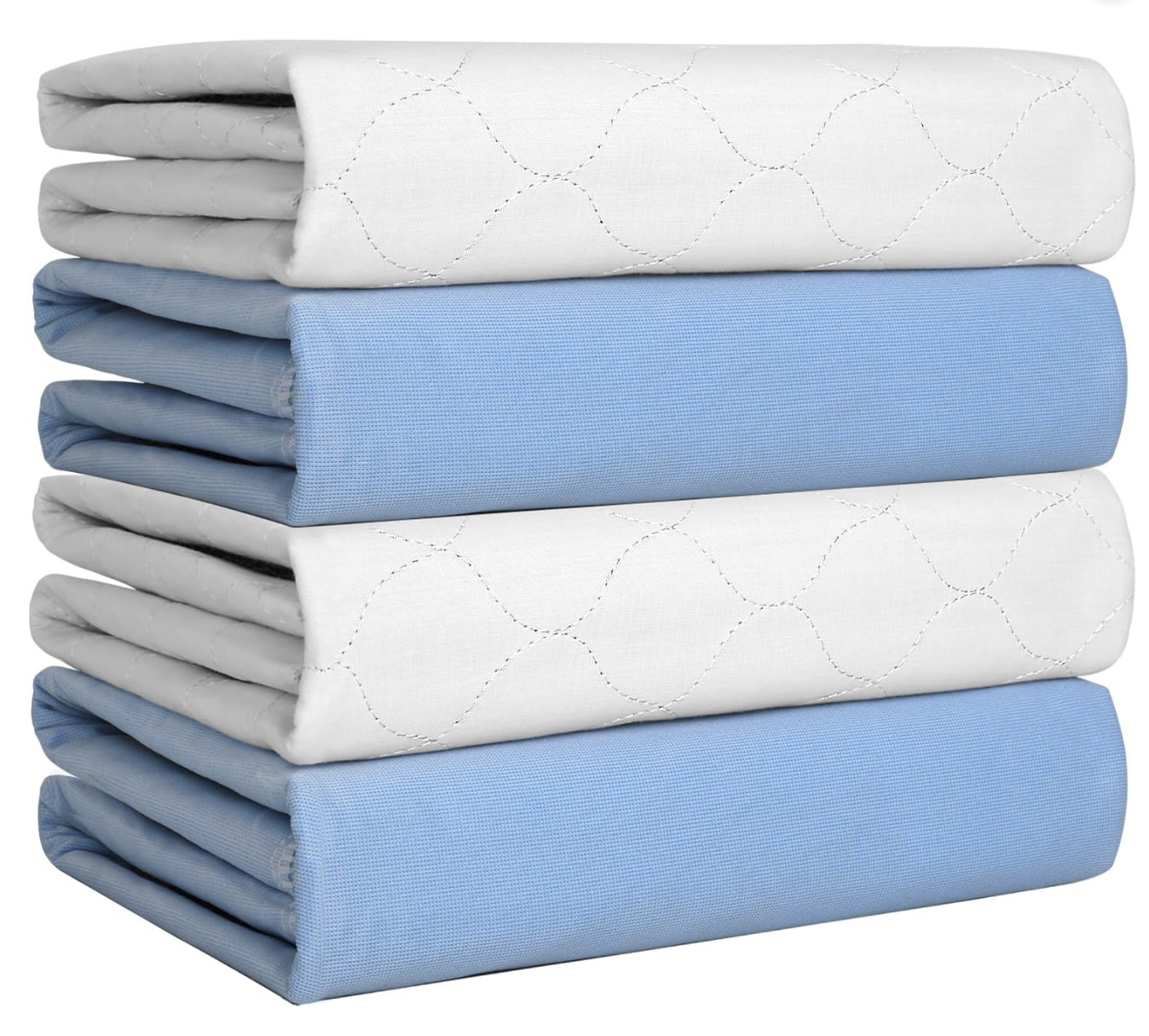
An example of some of the kid/adult friendly pee pads I bought instead of puppy training options — more affordable and durable than the ones marketed within the pet trade industry!
1) Waterproof and Machine Washable Mattress Pads
When puppy training, I actually purchased a multi-pack of kid/toddler washable bed pads. They were cheaper and larger than the one available for pets, held more liquid and were more durable. Wash on cold, line dry, and don’t use softener. They have outlasted any of the pet-specific ones! They’re usually not “cutesy” but who the hell cares if it reduces your labor for potty training puppies or elderly dogs. (If you’re not able to do that much laundry, you can also buy the very efficient disposable potty pads from Kirkland at Costco!)
These are the ones I purchased, for reference. And also these to put inside of any pet beds on top of the foam mattress and under the cover to reduce exposure to pee pee parties!
I also acquired couch sized waterproof blankets and bed covers. In our home, pets are allowed on the furniture, but when training puppies or dealing with incontinent dogs, having waterproof items will save you the hassle of constantly steaming out or spray-cleaning your furniture and bedding!
If you’re in for a little extra initial labor or have someone to help you, I will vouch that vinyl wallpaper also makes it very easy to clean up pet areas! Lining hutches or crates or even eating areas with vinyl wallpaper reduces exposure to saliva and urine and makes things last longer..
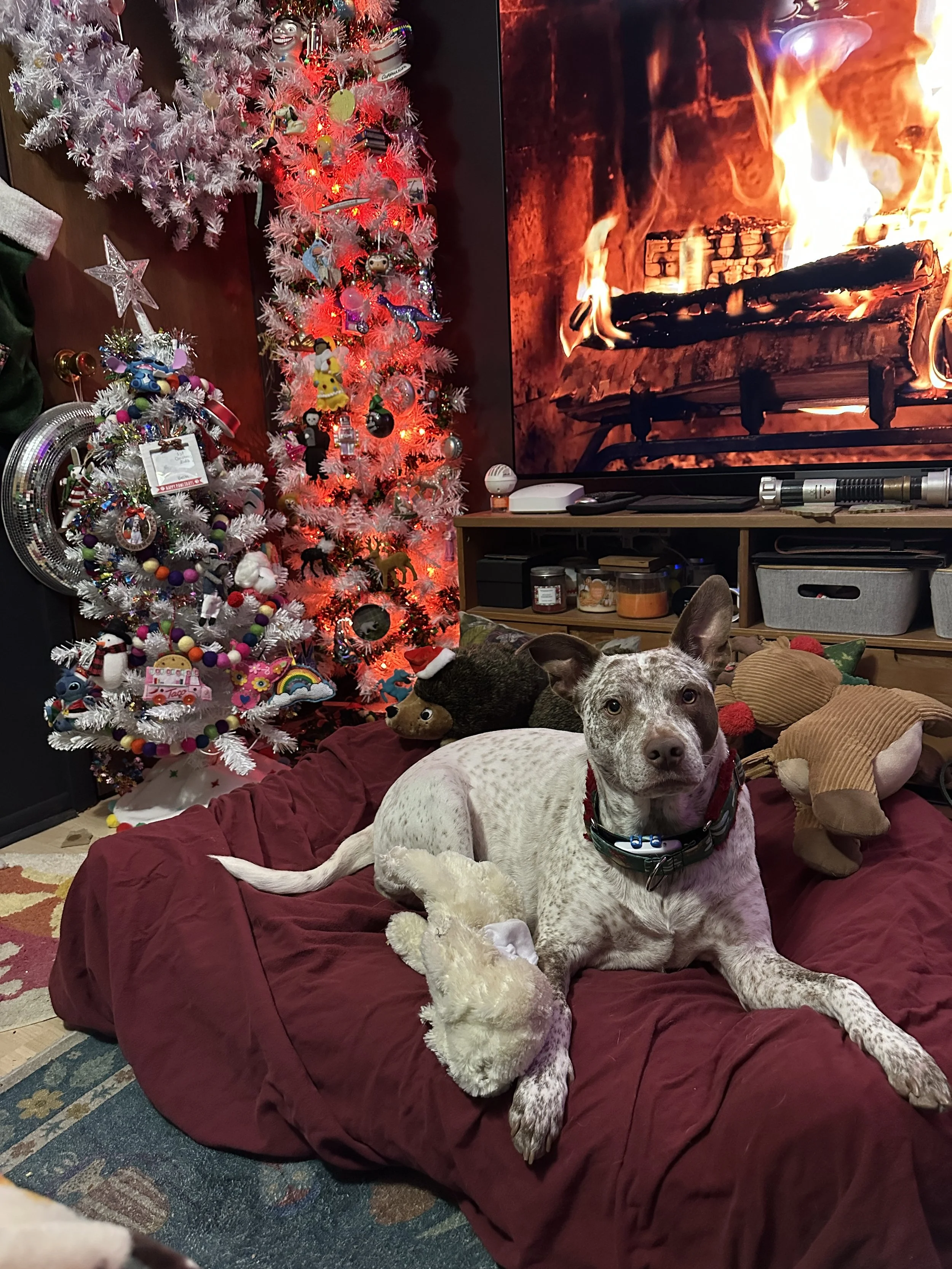
2) Waterproof and Machine Washable Blankets for Funiture
This option is similar to the one we use on couches and recliners, and this is the one we take with us when staying at hotels or Air BnBs. On both of these options you have a decent amount of time to blot the liquid (drool, pee, whatever) off the mat before it gets absorbed into the fabric (inner layer of waterproofing) Again: wash on cold, no softener, line dry.
3) Waterproof and Machine Washable Dog Beds/Pet Tents
I opt for beds with waterproof mattress interiors, waterproof mattress covers, and washable outer bedding layer. My longstanding favorites are by Bedsure/Lesure for dog beds in main areas of the house, but we also just purchased a Big Barker Ortholift Crate Bed for Bella’s crate (with the optional waterproof cover add-on) and it’s going swimmingly! We are currently fostering a bunny as well, and I opted for the Lesure Cat Tent and that’s also been easily washable.
You can opt to use toddler or twin size bed sheets in cotton or bamboo fabrics to cover the beds as well, which protects their original cover, too!
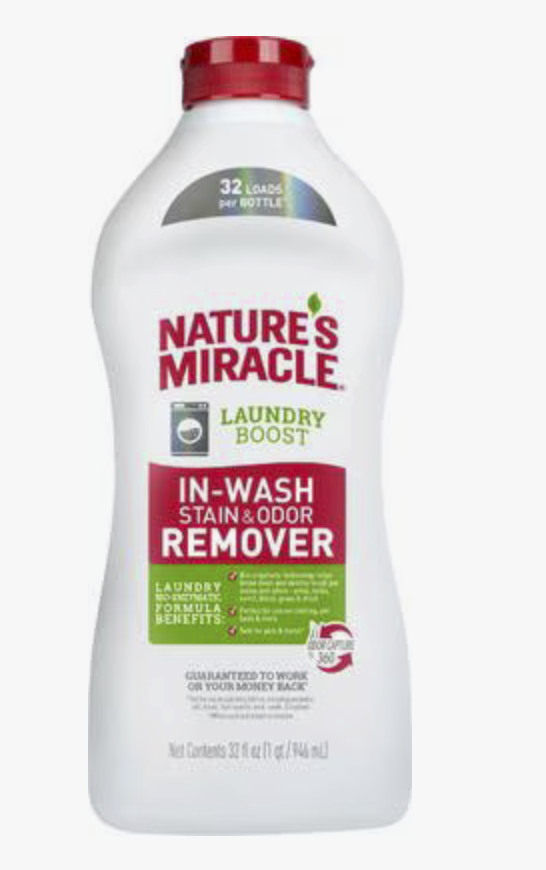
4) Pet-Specific Laundry Additives and Enzymatic Laundry Detergent
If you’re looking to prevent your pet from urinating or defecating on something again and again, you’ll need to add laundry additives to the wash cycle to significantly reduce your need to clean! I love Nature’s Miracle Laundry Additive and related Spot Cleaner for laundering items for multiple pets (dogs, cats, rabbits, rats etc), as well as dog-specific cleansers and laundry additives like Skouts Honor. In a pinch you can use household vinegar diluted in the wash. (Caution: Some animals mistake ammonia or vinegar as the same chemicals found in their species urine, so you need to be breed specific if using that!). IT WORKS!!! This combined with a “Free and Clear” detergent that’s got neutral smell, or a VERY MILD lavender scented detergent has worked great for reducing noxious odors and reducing inside potty accidents.
Secondly, reduce exposure to allergens and dander and pet odors
This post contains affiliate links. If you click and make a purchase, I may earn a small commission but at no extra cost to you! Clicking links or purchasing with any of our affiliate codes does help directly with ongoing care of our critters here!